
Why Chamber Music Feels Different When You Experience It Up Close
To experience chamber music up close is to sit a few feet from a small group of musicians as they lead one another through a piece, usually with no conductor. You hear every individual voice, watch the players communicate in real time, and feel the music take shape as it happens. At Chamber Music Rochester, that closeness is the whole point.
Live music has a way of pulling everyone into the same moment. The first note sounds, the room goes quiet, and for a little while the world outside the hall falls away. The musicians and audience share something that will never happen in exactly the same way again.
Chamber music makes that moment personal.
With a small group of players and a room built for listening, you notice details a larger performance can hide. You are not watching from a distance. You are close enough to follow the conversation happening between the musicians.
Every Musician Has a Voice
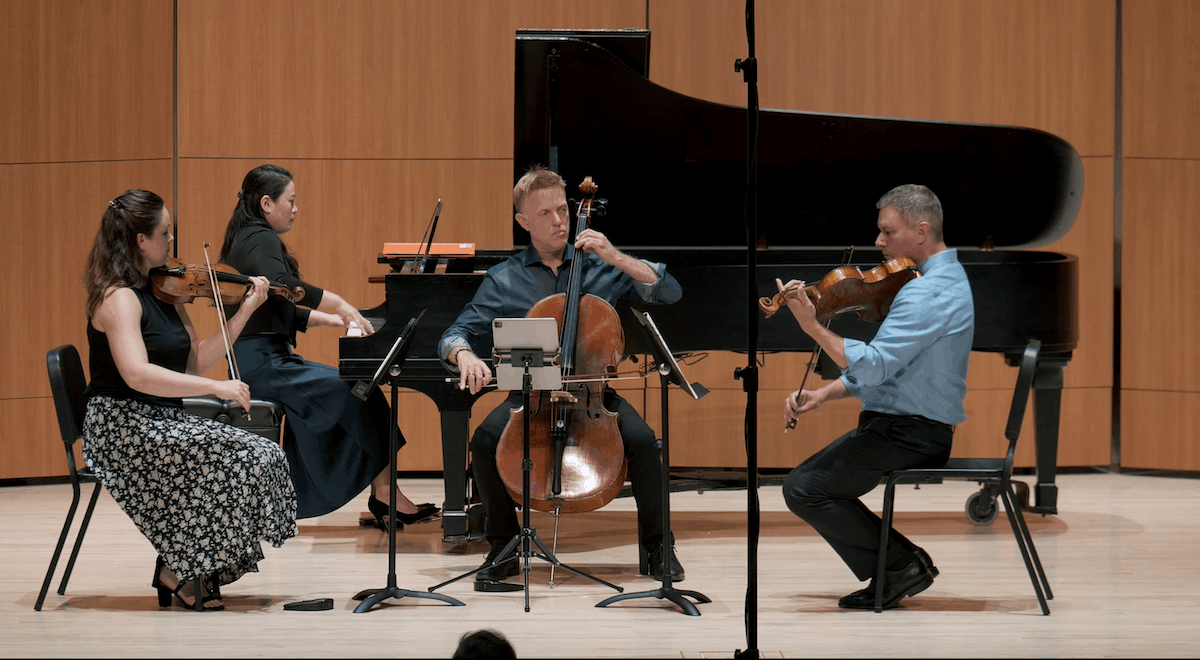
Chamber music is usually performed by a small group, with one musician on each individual part. Most ensembles play without a conductor, as Chamber Music America describes the form. If the form itself is new to you, our guide to what chamber music is covers the basics. This post is about something narrower: what that music feels like when you are close to it.
The musicians guide the performance themselves, through eye contact, movement, breath, and careful listening.
A violin introduces a melody and the cello answers it. The piano shifts the energy of the room with a new rhythm. One musician leads for a moment, then another voice moves to the front.
Each performer brings something individual to the music. The piece only comes together when everyone listens.
That is part of what makes chamber music feel so human.
Close Enough to See the Music Take Shape
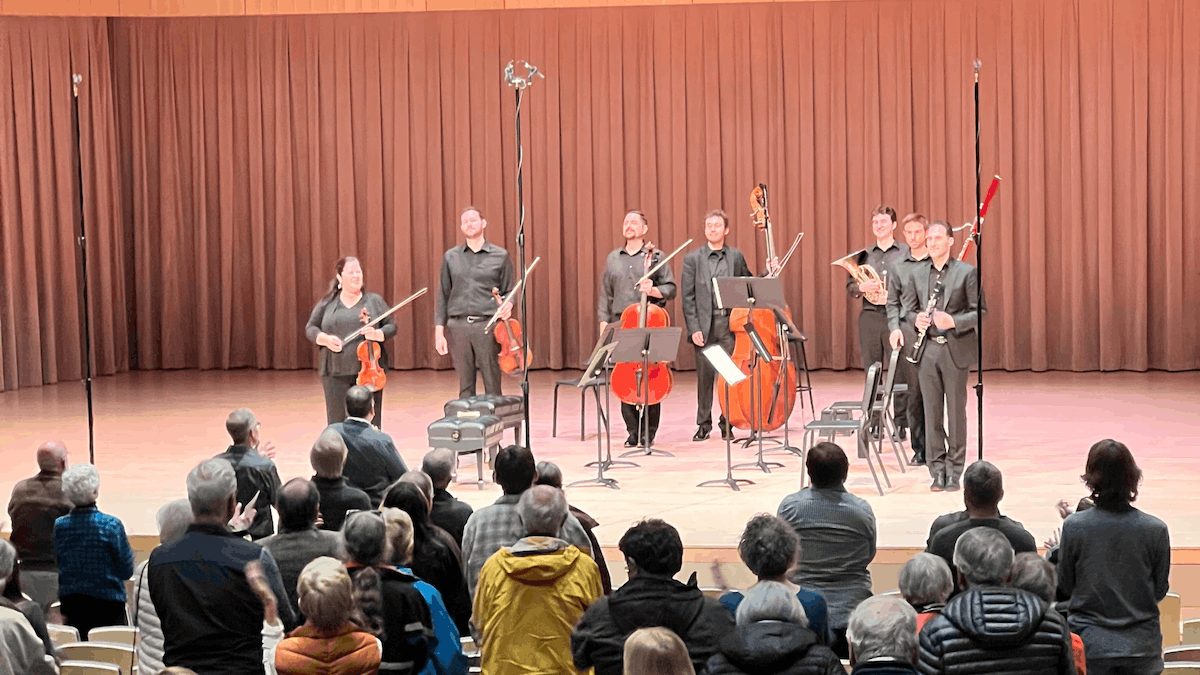
Chamber Music Rochester concerts put you a few feet from world-class musicians. You can see a smile pass between performers. You can notice the moment one player prepares to hand a musical idea to another. You can watch a group make decisions together as the performance takes shape.
These small exchanges add another layer to the music. They remind you that live performance is not only the notes on the page. It is people creating something together in real time.
No two groups play a piece the same way, and even the same musicians find something new each time they return to it. The players themselves come from ensembles like the Rochester Philharmonic Orchestra and the Eastman School of Music, alongside visiting artists, so each concert brings a different combination together. That exact group playing those exact pieces will not happen again.
Every concert is its own conversation. The concerts are held at Beston Hall in the Glazer Music Performance Center at Nazareth University, a 550-seat room built for exactly this, where most seats are close enough to see the players' faces.
Every Piece Has a Story
Music becomes more meaningful when you understand the people and ideas behind it. A composer may have written a piece in a joyful stretch of life, in a moment of uncertainty, or while searching for a new voice. A familiar work can carry a surprising history. A brand-new piece may connect directly to the community hearing it for the first time, and composers have never stopped writing for small ensembles, as the Chamber Music Society of Lincoln Center traces into the present.
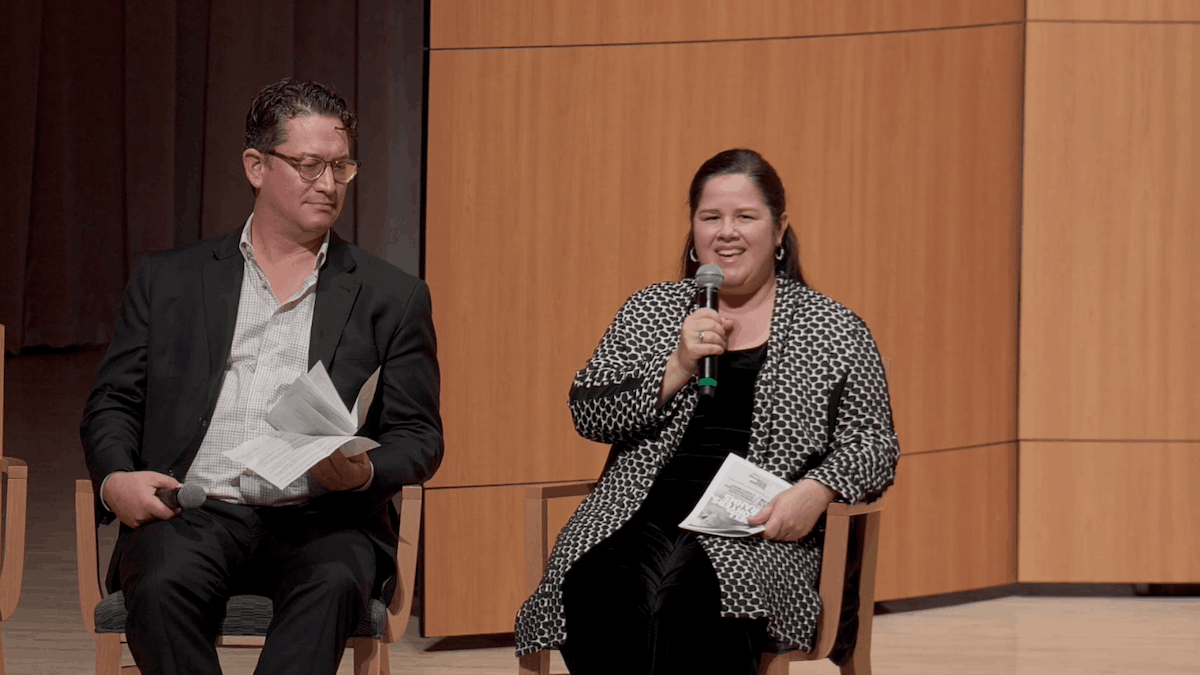
Chamber Music Rochester's pre-concert talks introduce these stories before the music begins. Led by artistic directors Juliana Athayde and Erik Behr, they are welcoming conversations, not lectures. They give experienced listeners and first-time attendees a few ideas to carry into the concert, so you might hear a melody differently or catch an exchange you would have missed.
No previous knowledge is required. Curiosity is enough.
You Are Part of the Experience
The musicians are only one part of a live concert. Audience members bring their own memories, emotions, and perspectives into the room. One person recognizes a piece they have loved for years. Another hears that composer for the first time. Someone else is surprised to find that chamber music feels nothing like what they expected.
Most of the room is closer to that last experience than you might think. Nationally, only about 5% of American adults attended a live classical performance in a recent year, according to the National Endowment for the Arts. Which means most people in the hall are discovering this alongside you.
One Chamber Music Rochester patron put it simply: "I leave every concert happier." That feeling is what live music can create. A concert gives you time to listen, feel, and connect. For a few hours, strangers become part of the same shared experience.
Your First Concert Is Waiting
Chamber music is not reserved for experts. You do not need to recognize the composers. You do not need to know the terminology. You do not need to dress a certain way or know exactly when to applaud. If you would like a fuller walkthrough of the practical details, from what to wear to when to clap, our guide for new attendees covers it start to finish.
Come as you are.
Choose a concert that makes you curious. Most programs pair a familiar name with something newer, so there is usually a recognisable anchor and a discovery on the same afternoon.
Arrive early and sit close. Seating is general admission, so the front rows go to whoever gets there first. The point of chamber music is proximity, so the extra ten minutes is what turns a concert into the up-close experience this whole post is about. Students and children attend free at the welcome table, and you can find ticket options on our tickets page.
You may discover a new composer, hear a familiar instrument differently, or catch a musical moment that stays with you long after the final note.
Experience It Up Close
Pick a concert that sounds like you, arrive in time for the talk, and take a seat near the front. The closeness is the whole experience, and there is always a seat waiting.
Frequently Asked Questions (FAQ Schema)
What does it mean to experience chamber music up close?
It means sitting just a few feet from the performers in an intimate hall, close enough to see them communicate through eye contact and breath and to hear each individual instrument distinctly. At Chamber Music Rochester, concerts are held in a 550-seat hall where most seats keep you near the players, so you experience the music as a conversation happening in real time rather than a distant performance.
What can you see and hear up close that you would miss further back?
Up close, you can see a glance pass between players, the small breath before an entrance, and the moment one musician hands a musical idea to another. You also hear each instrument as its own voice rather than a blended sound. These are the details that make a live performance feel like people creating something together, and they are hard to catch from far away.
Where should I sit to experience the music up close?
Seating at Chamber Music Rochester concerts is general admission, so there are no assigned seats. If you want to be close, arrive ten or fifteen minutes early and choose a spot near the front. Beston Hall seats 550 and was built for live ensembles, so even seats further back stay closer to the players than in a large concert hall.
What do people mean when they call chamber music a conversation?
Because there is no conductor, the musicians lead each other by listening and responding in the moment. A violin introduces a melody and the cello answers, or the piano shifts the mood with a new rhythm. Nothing is being directed from the front, so what you hear is a real exchange between players, which is why no two performances of the same piece are ever quite alike.
What are the pre-concert talks?
They are short, welcoming conversations before the music, led by artistic directors Juliana Athayde and Erik Behr. They introduce the composers, the musicians, and the stories behind the program. No background is needed, and many audience members say the talks are their favourite part of the afternoon.
Where are Chamber Music Rochester concerts held?
Concerts take place at Beston Hall in the Glazer Music Performance Center at Nazareth University, at 4245 East Avenue in Rochester, NY. It is a 550-seat hall built for the acoustics of live ensembles, which keeps nearly every seat close to the performance.